Blog
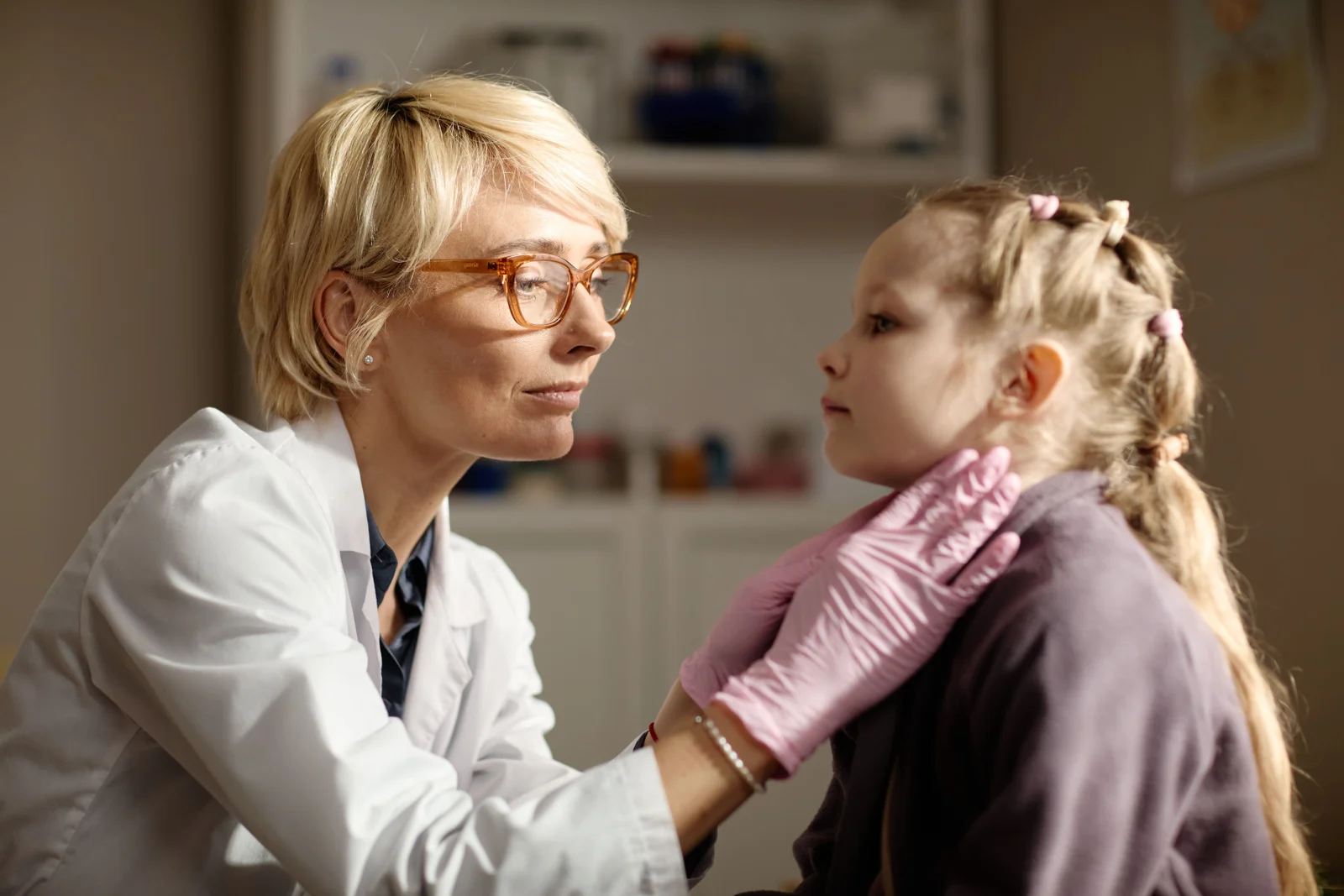
I wanted to take a moment to discuss something that is deeply concerning to me and all of us here at CTMC: Measles.
Minnesota is now experiencing a growing number of measles cases, with 42 reported cases at the time of writing this message. The storm is at our doorstep, and we are concerned that these numbers may continue to rise.
For those who may not know, measles is considered one of the most contagious diseases known to medicine. In fact, it is often used as the benchmark for measuring the contagiousness of other infectious diseases. If a person with measles enters a room, the virus can remain in the air for up to two hours after they leave. Individuals who are not immune can become infected simply by breathing that air.
What makes measles particularly frightening is that there is no medication that cures it. Once a child becomes infected, healthcare providers can only offer supportive care, such as oxygen, hydration, and treatment for complications. We cannot stop the virus itself.
The potential consequences of measles infection can be severe and include:
• Pneumonia
• Severe dehydration
• Brain swelling (encephalitis)
• Permanent neurologic injury
• Death
The MMR vaccine remains the single most effective tool we have to protect children from this potentially devastating disease.
Wherever you are in your decision-making process regarding the MMR vaccine, we want you to know that we are here as a resource. If you are still considering your options or have delayed vaccination because of questions or concerns, we encourage you to talk with your provider. Understanding the risks of measles and the benefits of vaccination can help you make the decision that is right for your family. As measles cases continue to increase, delaying vaccination may leave children unprotected when exposure is possible.
Call CTMC today to schedule your child’s MMR vaccination or to speak with one of our providers about your concerns. Protecting children is what we do, and we need your help to do it.
Please don’t wait until measles is in your community, your school, or your home. Prevention works best before exposure occurs.
Related Articles

Managing Asthma in Minnesota’s Winter: Tips for Parents to Keep Kids Safe
Winter in Minnesota brings beautiful snow-covered landscapes and chilly temperatures, but for children and teens…

Choking Hazards and Poison Prevention for Toddlers: Essential Safety Tips
Accidental injuries, including choking and poisoning, are among the leading causes of emergency room visits…

Car Seat Safety in Minnesota: Understanding the Law and Avoiding Common Mistakes
Ensuring proper car seat use is essential to keeping your child safe on the road.…

Understanding and Preventing Whooping Cough (Pertussis) in Children and Teens
Whooping cough, also known as pertussis, is a serious respiratory illness caused by the Bordetella…